
Travel Stories · Adventure · October 24, 2026 · 4 min read
Pilar de Sal: the climbing route I bolted in Patagonia
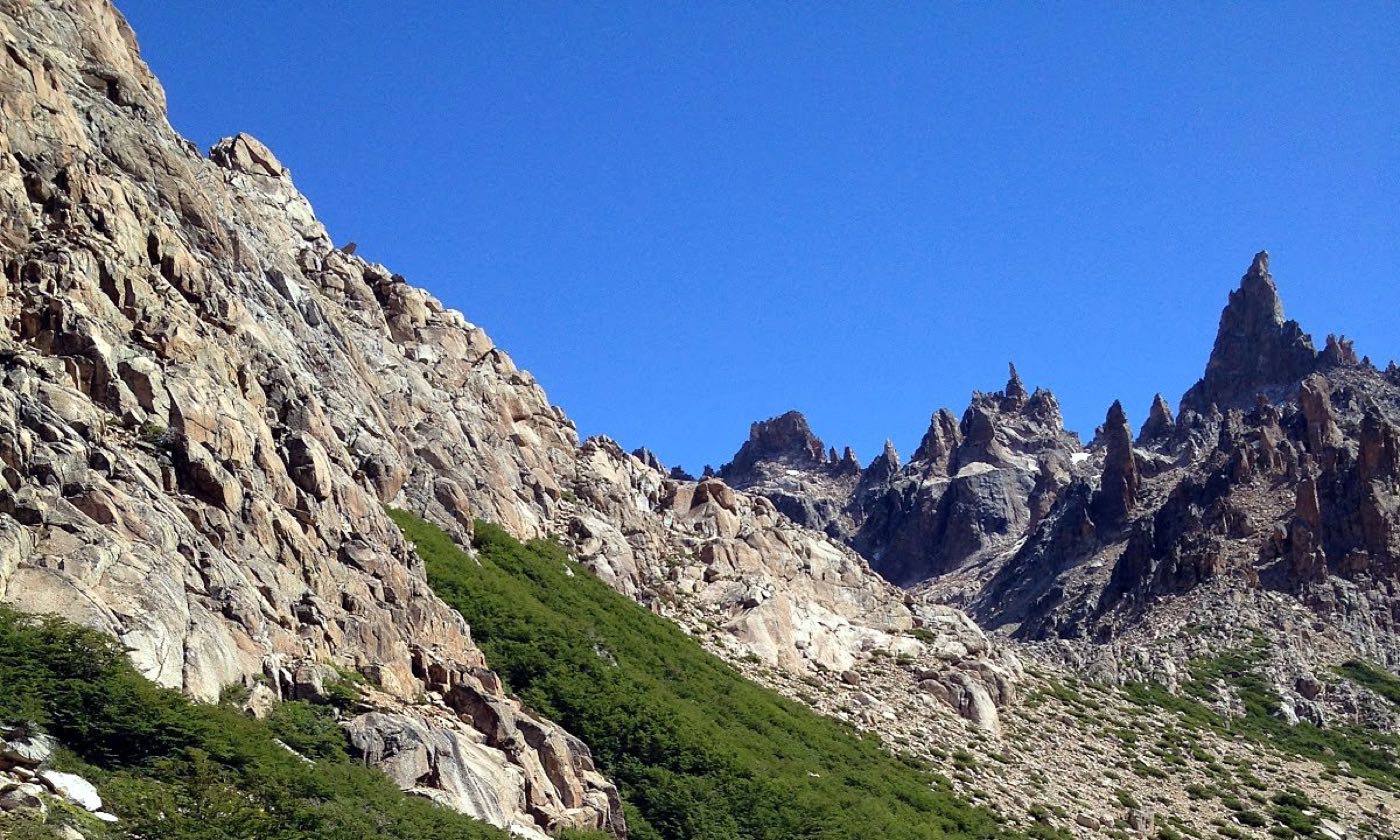
In 2015, while I was living in Argentine Patagonia, I bolted a rock climbing route and named it Pilar de Sal. It's in Genesis, a sport climbing sector my friend Dylan Harris started on Cerro San Martín, near the Catedral ski area and high above Lago Gutiérrez. The route is still in the local guides, including Escalada Bariloche, theCrag and Mountain Project, which all list it in the Arriba Sur part of Genesis.
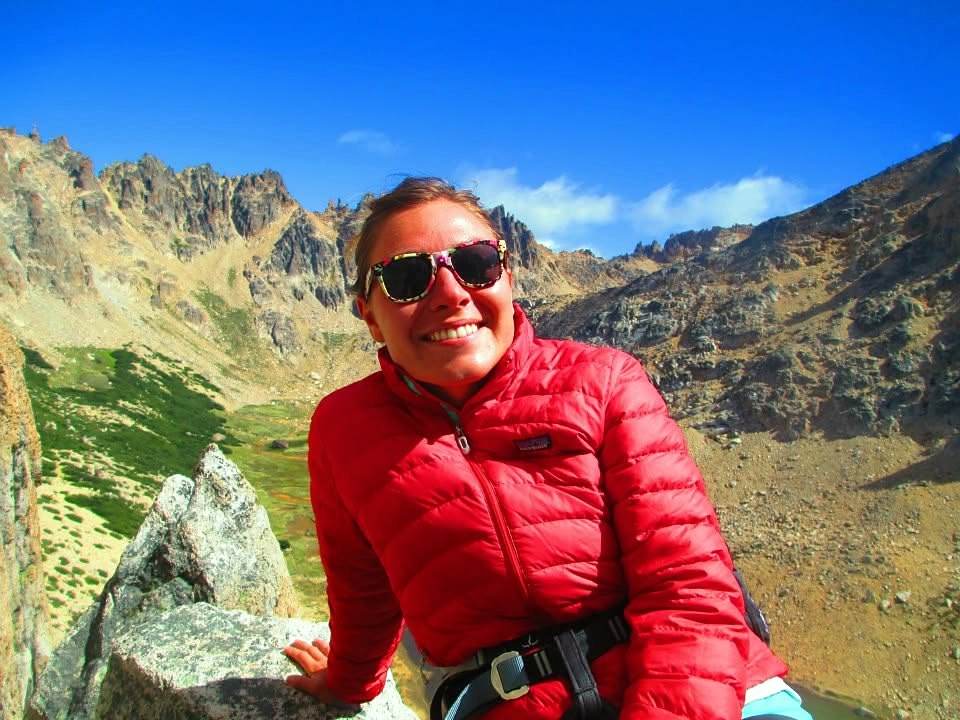
Patagonia is where I learned to climb. My first big hike there, in 2013, was the trail up to Refugio Frey on Cerro Catedral above Bariloche: about four hours of forest and scree to a mountain hut on a lake, ringed by granite towers. I came down with sore legs and a new obsession.
What bolting a route means
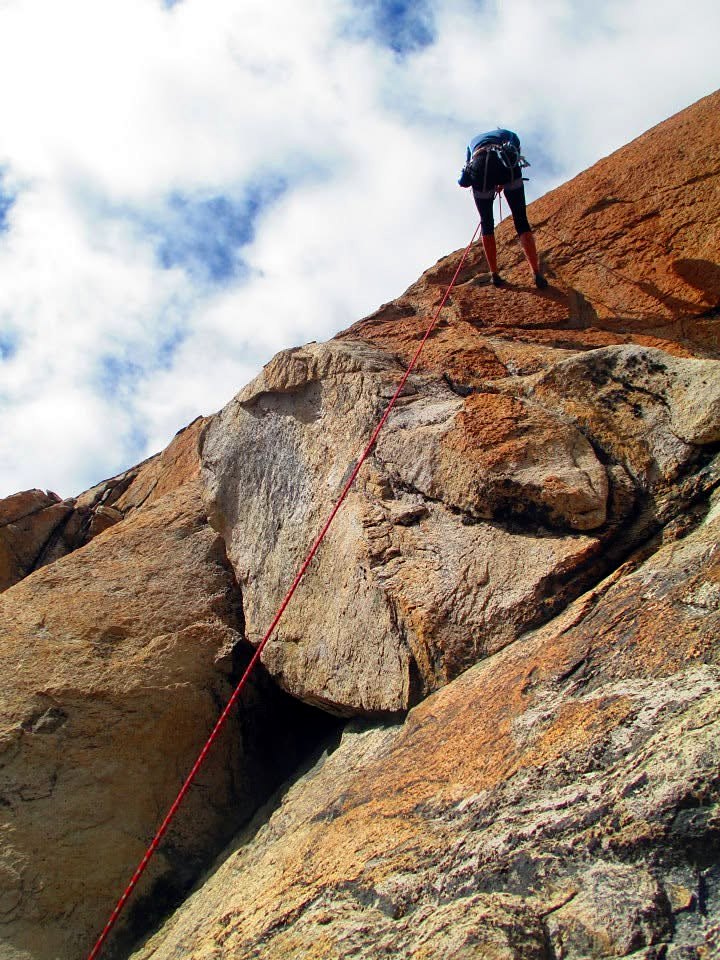
Someone has to make every sport climbing route. You find a line on the rock that's worth climbing, clean off the loose stone and dirt, and drill and place permanent bolts so later climbers can clip in safely. Then the first person to climb it gets to name it. It's slow, dusty work, and the route stays on the rock long after you leave.
It's also work with rules. Local climbing communities and land managers have standards for where routes can go and how they're bolted, and good route developers follow them. If you're inspired to try it, learn from experienced local developers first.
Why I called it Pilar de Sal
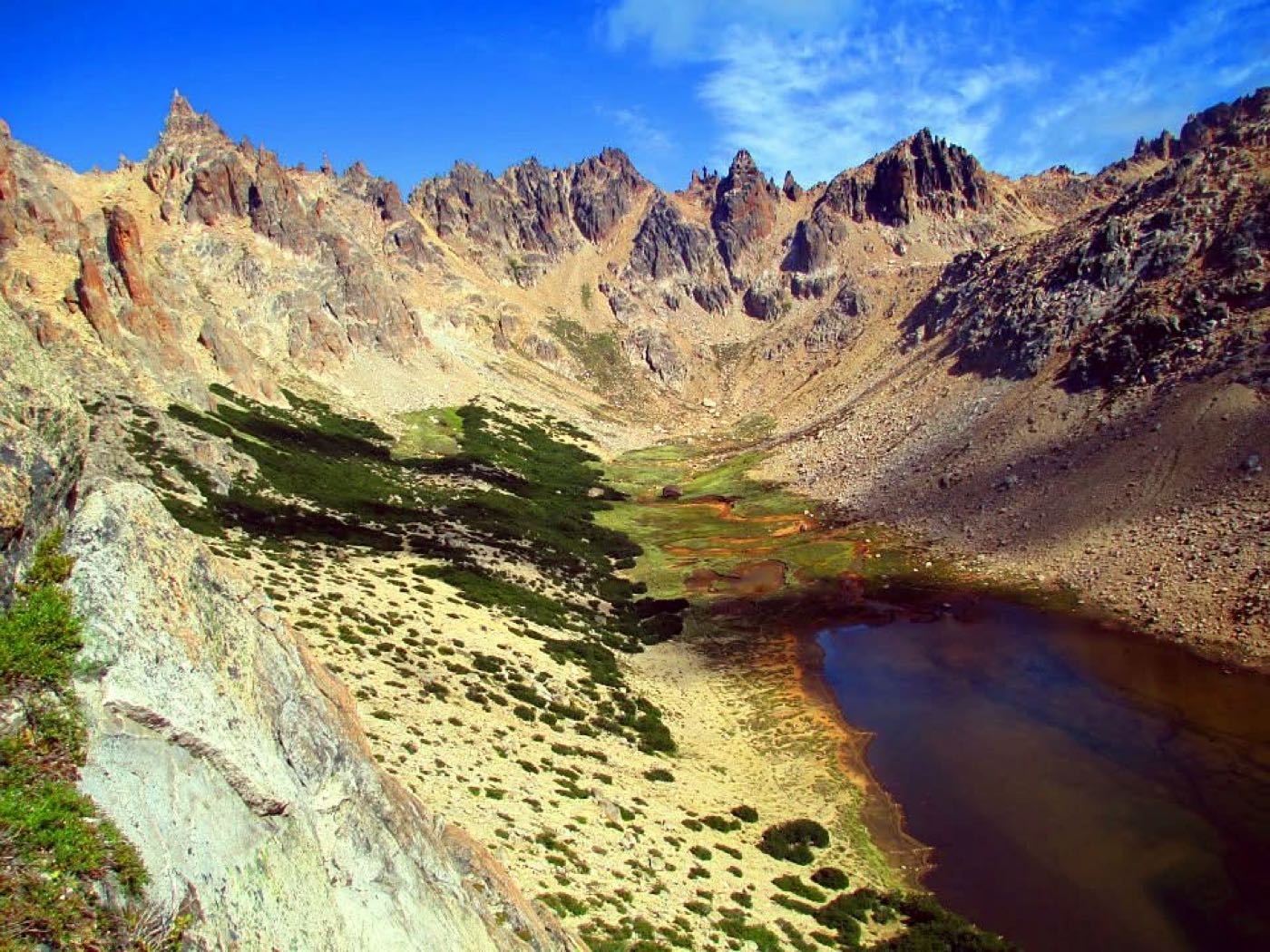
Pilar de Sal means pillar of salt. The route climbs a white granite arête, a sharp outside edge of rock, so the name fit the look of it. It also fit the feeling. The rock sits high above the lake, and I knew that if I turned around to look down, I'd freeze like the woman in the old story who looked back and turned to salt. So I kept my eyes on the rock and kept going.
It isn't a hard climb. It's a bolted sport route about 10 meters (30 feet) long, graded 4 in the local guides, which is about 5.6 on the American scale. That makes it a good one for newer climbers. The Mountain Project listing calls it very photogenic, with an amazing view behind. That view is the lake I was trying not to look at.
Climbing in Patagonia today
- Bariloche is a good first base, with granite spires around Refugio Frey on Cerro Catedral and plenty of crags close to town.
- Cerro San Martín, above Lago Gutiérrez near the Catedral ski area, is home to Genesis and its 30 or so bolted routes, many from 5.6 to 5.10. Take the bus to Catedral, then walk up the switchbacks; it's about 25 minutes from the trailhead.
- Cerro Ventana Sur, just south along Ruta 40 and Lago Gutiérrez, has longer multi-pitch routes, several of them good for intermediate climbers. There's some loose rock, so wear a helmet even on the approach.
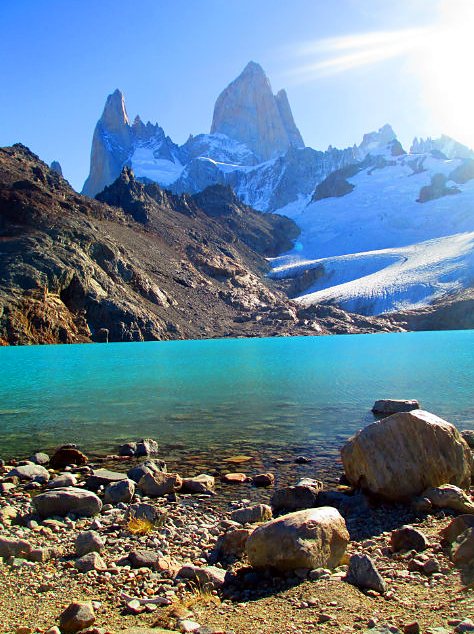
- El Chaltén is Argentina's trekking and climbing capital, under Fitz Roy and Cerro Torre. The big peaks are for experienced alpinists, but the local crags and day hikes are for everyone.
- The main season runs from about November to March. Patagonian wind is real, so build spare days into the plan.
- Hire a certified local guide if you're new to the area. They know the rock, the weather and the access rules.
Not a climber? Go anyway
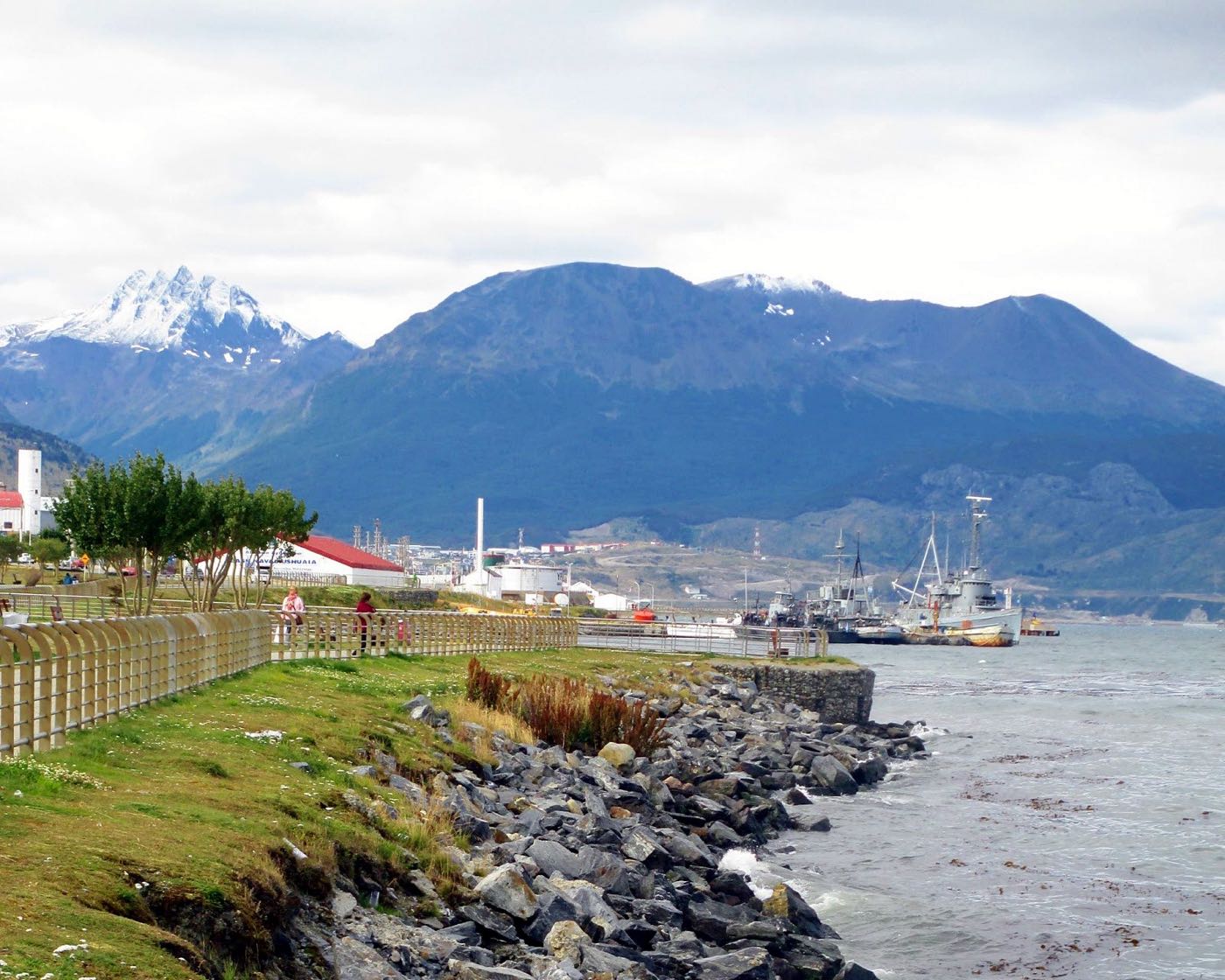
Patagonia rewards every kind of traveler. I spent nine days walking the full Torres del Paine circuit in Chile, watched house-sized chunks of the Perito Moreno glacier crash into the lake near El Calafate, and made it all the way to Ushuaia, where Argentina's Ruta 3 ends at the edge of Tierra del Fuego National Park. You don't need to sleep in a tent to see any of it: there are lake-view lodges near Bariloche, Malbec and trout dinners, and skies that stay light late into a summer night. If you'd like a Patagonia trip with a little adventure and very good places to rest, I'd love to help you plan it.
Planning something? I'd love to hear about it.